The Wineville chicken coop murders involved the kidnapping and murder of at least four young boys, though authorities believe there could have been as many as 20 victims. These events took place between the years 1926 and 1928 in what was once the town of Wineville, California. Before these boys were murdered, they first had to endure both physical and sexual abuse. The town was so horrified and heartbroken by what had occurred that it changed its name so that it would not be forever associated with the murders that took place there.
In 1924, at the age of 17, Gordon Stewart Northcott moved with his parents to Los Angeles, California from British Columbia, Canada. Two years later, nineteen-year-old Northcott asked his father to buy a piece of land for him in Wineville so that he could build a house and chicken ranch. Northcott asked his fifteen-year-old nephew, Sanford Clark, if he would help with the building of the ranch. Clark’s parents gave him permission to go to California from their home in Saskatchewan, Canada. After all, he would be in the protection of a loving family member…or so they thought. Little did they know what young Sanford Clark would endure during his time at his uncle’s chicken ranch.
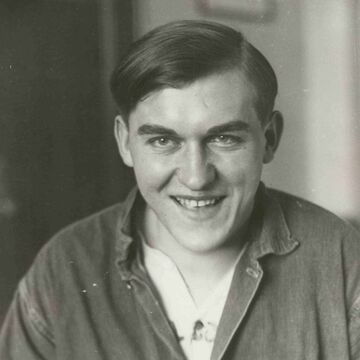
Nine-year-old, Walter Collins went missing on March 10, 1928 after his mother, Christine Collins, gave him money to go to the movie theater. A couple months later, on May 16, 1928 two brothers went missing on their way home from a Yacht Club meeting. Nelson Winslow was ten-years-old and his brother, Lewis, 12. A couple of bizarre letters were sent to the Winslow boys’ parents. One stated that they were going to Mexico, the other said they wanted to stay missing for as long as possible to gain fame. The authorities didn’t connect the two cases with one another. They also didn’t know that the headless body of a Latino boy found in February had a connection to these cases.
The truth of what happened to these boys didn’t begin to come out until August of 1928 when Sanford Clark’s sister, Jessie, came to visit him at the ranch. Sanford confided to her that he feared for his life after seeing Uncle Northcott kill four boys. Jessie returned to her home in Canada, promising Sanford that she would get help. Jessie contacted the American consul in Canada and told them what her brother had said. The consul, wrote a letter to the Los Angeles police department, detailing Jessie’s sworn complaint.
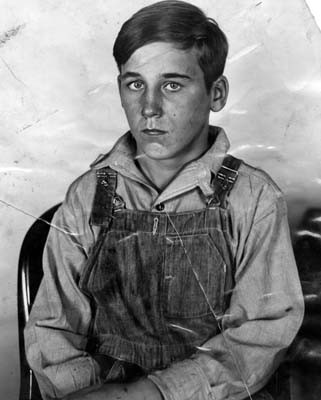
Two U.S. Immigration Service detectives went to the Northcott ranch on August 31st. They took Sanford Clark into protective custody. Northcott saw the detectives coming down the long road to his ranch and he and his mother took off running into the forest. You may ask yourself why his mother would be on the run as well. Oh, she had reasons, which you will soon find out. Before running, Northcott told Sanford to stall the detectives or else he would shoot Sanford from the trees. Sanford did as he was told, until eventually he felt safe enough to tell the detectives the direction the Northcotts had fled.
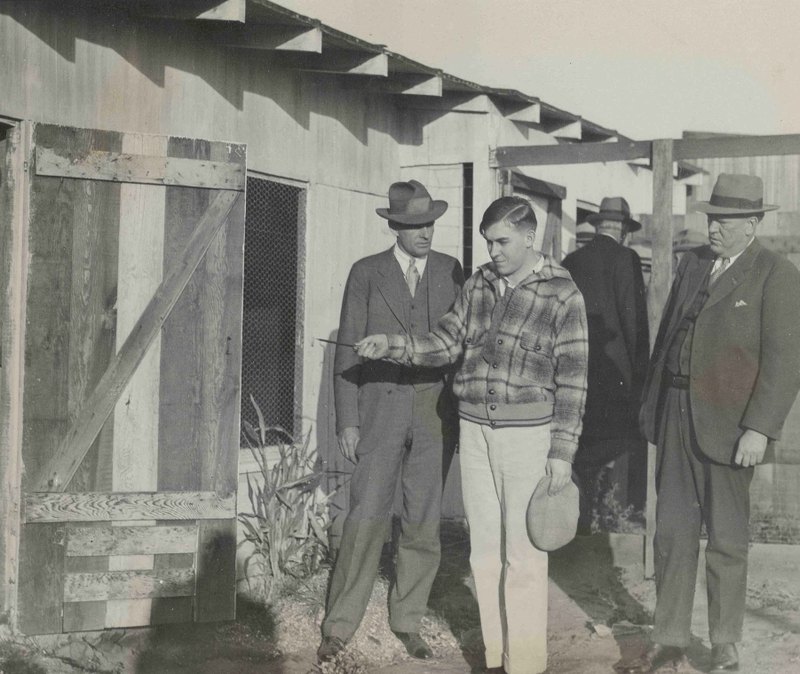
Sanford told the detectives that he had been kept at the ranch against his will, being physically and sexually abused. He was forced to watch the abuse and murder of other boys. At times, he was even forced to participate in some of these acts. Sanford said that Northcott would kidnap the boys and abuse them until he got bored, then he would lure them into the incubator room of the chicken coop to see the chicks hatch, where they would be killed with an ax. Afterwards, in an attempt to destroy any evidence, Northcott would pour quicklime over the bodies.
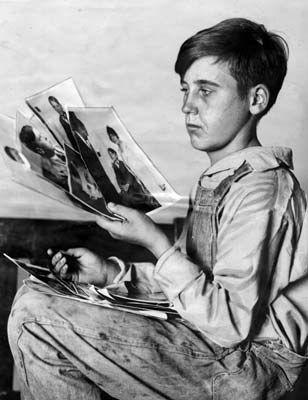
Sanford told the story of Northcott’s first victim, a Latino boy who helped work on the ranch. Northcott shot and then decapitated the boy. Northcott dumped the body in a ditch beside a road in La Puente. He brought the skull back to the ranch where he crushed it. It was later found that Alvin Gothea may have been the victim’s name.
Sanford said that he was made to help kill Walter Collins because Walter had seen Northcott helping another man kill his mining partner. Before killing Walter, Northcott held him captive and abused him. Shortly after kidnapping Walter, Northcott’s mother, Sarah Louise Northcott, called and said she was coming over to visit him. His mother lived only an hour away, so Northcott hid the boy in the chicken coop while she was there. Sarah became curious when she noticed that her son was trying to keep her away from the chicken coop. She soon discovered Walter in the chicken coop. And what did she do? Get angry with her son and question him? Call the police? No, she told her son that Walter would be able to identify him because Northcott had worked at a grocery store where Walter shopped for his mother. She told her son that Walter should be permanently silenced.
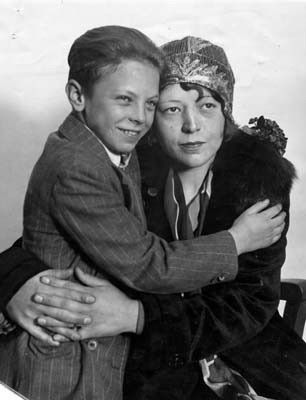
Sarah made the decision that she, Northcott, and Sanford (her grandson) should all participate in Walter’s murder, so that no one would tell, because they would be implicating themselves. Northcott wanted to use a gun for the murder, but Sarah was worried that it would be too loud and draw the attention of neighbors. She chose to use the blunt end of an ax to hit Walter in the head as he slept on a cot in the chicken coop. Sarah, struck the first couple blows followed by Northcott and Sanford each taking turns with the ax. The Winslow brothers were killed the same way.
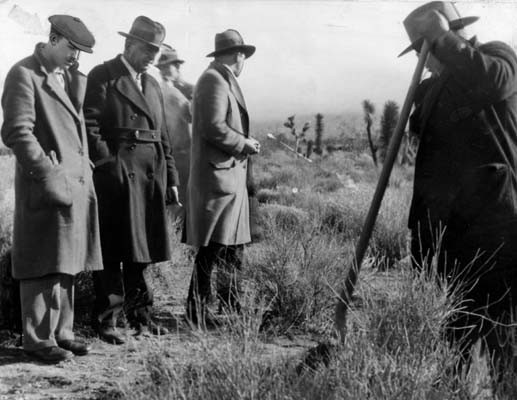
With Sanford’s help, the authorities found the graves for Walter Collins and the Winslow brothers. Unfortunately, due to the use of the quicklime, the whole bodies were never found, only fragments of bones. Axes were found on the property with human hair and blood on them. In Northcott’s house was found a library book that was checked out to one of the Winslow brothers. Detectives also found a letter written to the boys’ parents that told them not to worry, “we are fine.” A note that one of the boys were probably forced to write.
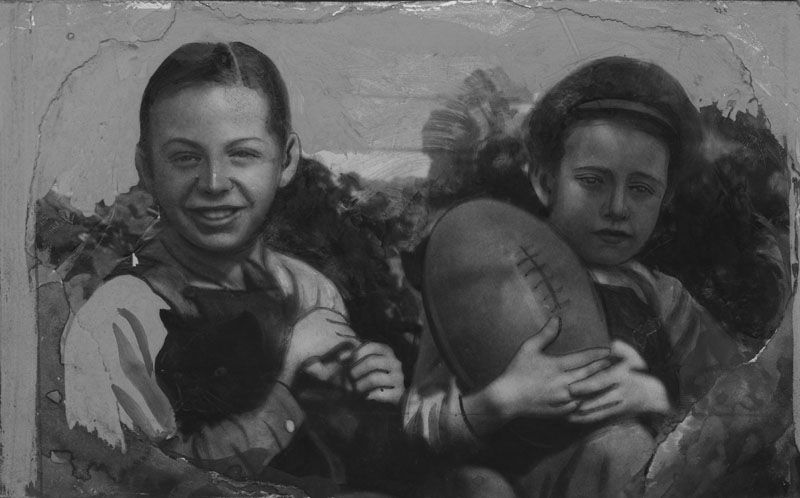
Gordon Stewart Northcott and his mother Sarah Louise Northcott were arrested in Canada on September 19, 1928. Because of issues with the paperwork, they were not extradited back to California until November 30, 1928. While awaiting extradition, they both confessed to the murders, but later recanted their confessions after being taken back to California.
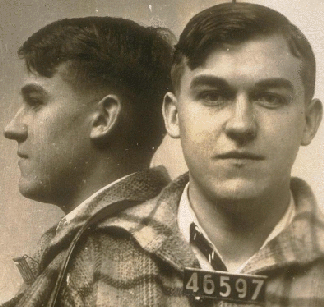
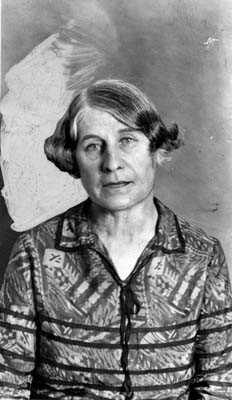
Soon after returning to California, Sarah once again confessed to murdering Walter Collins. She stated that she delivered the final blow to Walter and was the one to bury him in a hole near the chicken coop. Due to the confession, she did not have a trial. On December 31, 1928, the judge sentenced her to life in prison. Being a woman, she was spared the death penalty. During her sentence hearing, she made various claims, which may or may not be true, in an attempt to save her son’s life. She claimed that Northcott was the illegitimate son of an English nobleman, then claimed that he was the result of incest between her husband, Cyrus, and their daughter. She also stated that Northcott was sexually abused by several family members growing up. She was probably trying to get the judge to pity her son and not sentence him to death.
Sarah Louise Northcott served some time at Tehachapi State Prison, where she was paroled after only being imprisoned for less than twelve years. She died in 1944.
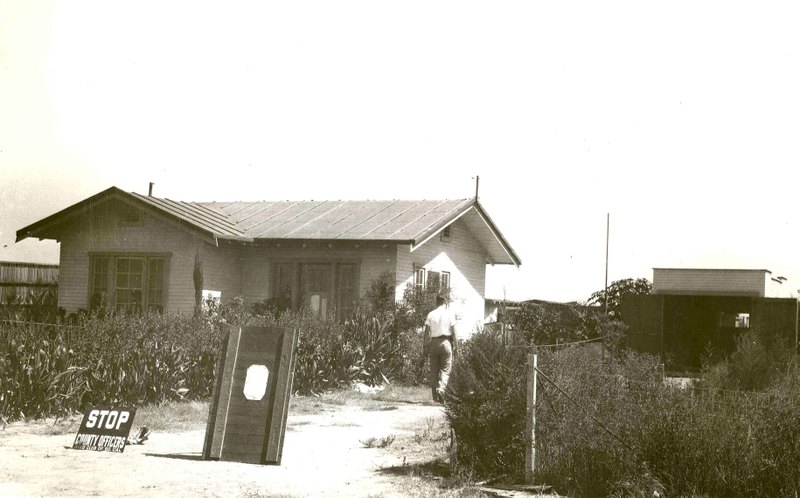
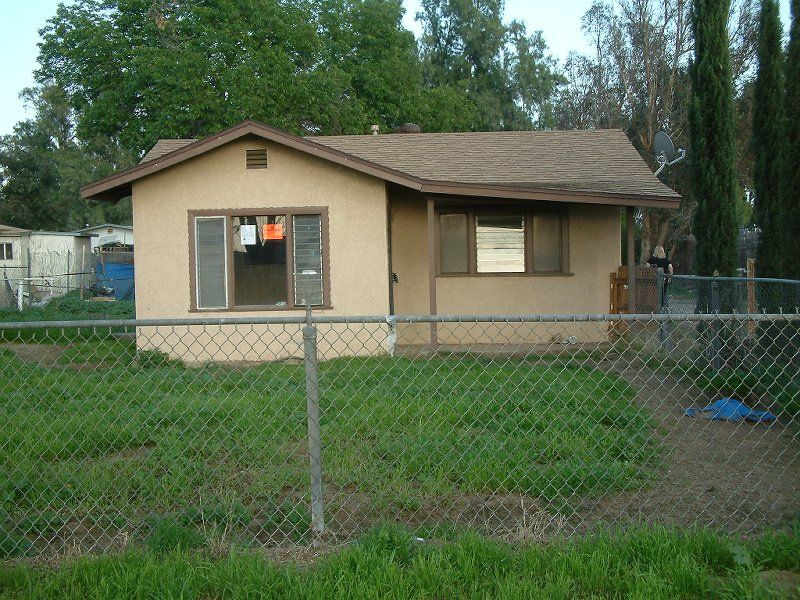
Gordon Northcott’s trial began in early 1929. Although he was implicated in the murder of Walter Collins, he was not charged because his mother had already confessed and been sentenced for it. Though it was widely believed that Northcott may have committed up to twenty murders, there was no evidence to use against him. Ultimately, he was only accused of the murders of Alvin Gothea and the two Winslow brothers. The trial lasted 27 days and after the jury deliberated for two hours, on February 8, 1929, Gordon Northcott was found guilty of those murders. On February 13, the judge sentenced Northcott to death. On October 2, 1930 at San Quentin State Prison that sentence was to be carried out. On this day, Northcott asked one of the guards “Will it hurt?” He requested to be blindfold so he wouldn’t have to see the gallows. As the guards guided him up the 13 steps to the noose, Northcott pleaded, “Please. Don’t make me walk so fast.” His last words before the trapdoor under his feet was opened, “A prayer–please, say a prayer for me.” Gordon Northcott was hung at 23 years-old.
Sanford Clark was never tried for any of the crimes that he was forced to do by Northcott. The assistant district attorney had a strong belief that Sanford was completely innocent because he was a victim as well, being abused and having his life threatened by Northcott. He did not believe that Sanford was a willing participant in any of the crimes.
The assistant district attorney told Sanford that he had a unique way to settle Sanford’s legal situation. There was a placed called Whittier State School where an experimental program was underway for delinquent youths. The attorney promised Sanford that the staff at this school were compassionate and wanted the youth there to be fully rehabilitated. Sanford was sentenced to five years at this school, but only spent 23 months there because the school trustees believed that he ” had impressed the Trustees with his temperament, job skills and his personal desire to live a productive life during his nearly two years there.”
Sanford Clark died in 1991 at the age of 78 and was buried in Woodlawn Cemetery in Saskatoon, Saskatchewan, Canada.
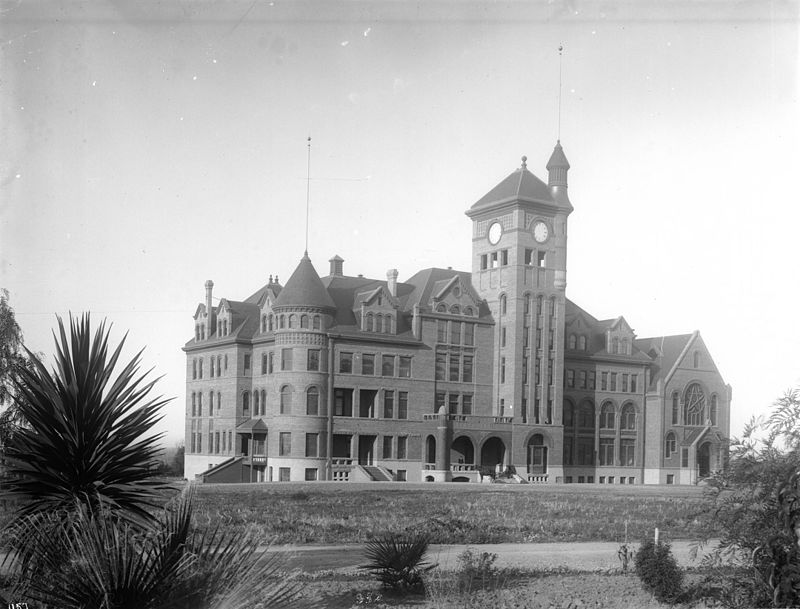
The citizens of Wineville, California chose to change the town’s name to Mira Loma on November 1, 1930. The new town name means “view from the hill” in Spanish. The change of the town’s name helped it disassociate itself from the Wineville chicken coop murders. Parts of Mira Loma were taken by two other cities, Eastvale and Jurupa Valley in 2010 and 2011. However, places such as Wineville Park, Wineville Avenue, and Wineville Road, among others that carry the Wineville name, are reminders of the town’s original name and it’s terrible history.

https://murderpedia.org/male.N/n/northcott-photos-4.htm
If you enjoyed this, check out these posts:

 Historic Horrors
8 thoughts on “The Wineville Chicken Coop Murders: So Wicked, the Town Changed It’s Name”