UPDATE: On December 8, 2022, police announced they have identified “the boy in the box,” as Joseph Augustus Zarelli. More details at the end of this post.
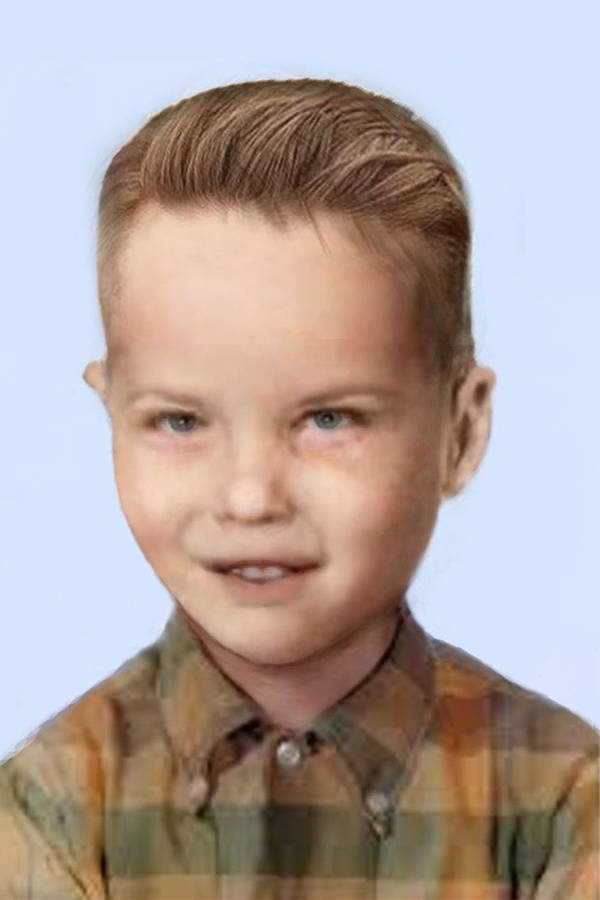
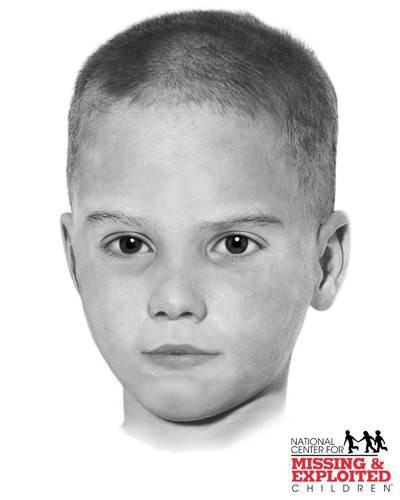
“The boy in the box,” is one of the most heartbreaking unsolved murder cases in the United States. A beaten and bruised child left in a cardboard box among the trash of a dumping ground. The boy’s age had been between three and seven years old. Due to the child being malnourished, it was difficult to determine a more exact age.
Now, over 65 years later, the case remains unsolved. The boy’s identity and who murdered him are still unknown. We will delve into the location that he was found, how he was found, and theories about who he may have been. Please be aware that this post contains post-mortem photos, which may be upsetting to some.
This is the story of “America’s unknown child.”
Discovery of the Boy in the Box
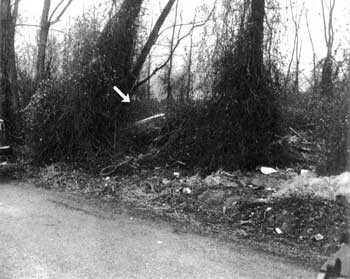
On a cold February day in Philadelphia, Pennsylvania a man went out to check his muskrat traps. The year was 1957 and the Fox Chase area of Philadelphia was, at the time, mostly rural woodland. The only building on Susquehanna Road was a religious school for girls. A wooded area across from the school was used by locals as a dumping ground for their trash.
The man had set up his traps in this area, knowing that the garbage would attract muskrats who were in search of food. As he went around checking his traps he noticed what, at first, appeared to be a doll in a cardboard box. He decided to take a closer look and, to his horror, realized it was the body of a little boy.
Though the man was disturbed by what he found, he didn’t contact the police. Hunting was illegal in that area and he didn’t want to get into trouble or have his traps taken. Instead, he quietly left the area and tried to forget the whole experience.
Discovered for the Second Time
A few days later, on February 25, 1957, someone else came upon the same cardboard box, the boy’s body still inside. Frederick Benonis, a college student, initially claimed to have been driving down Susquehanna Road when he spotted a rabbit darting into the woods. Knowing that traps were set up in the area, he wanted to see if the rabbit had gotten caught in one. While checking the area, he too discovered the boy in the box.
Frederick quickly left the area, not wanting to get a closer look at what he had found. Like the man who previously found the body, Frederick didn’t report what he saw to the police. At least, not immediately.
Later, his decision to not report what he had found right away would become clear. The real reason Frederick had been lurking in the woods that day was so that he could spy on the girls at the school across the road. He didn’t want the police knowing about his creepy behavior.
That evening, Frederick heard a missing persons report on the radio. There was a four-year-old girl from New Jersey that had disappeared. He thought it may have been her body that he had found. This weighed heavily on his conscience and the next day he went to a priest for advice. The priest advised him to do the right thing and tell the police of his discovery. Frederick did as the priest suggested.
The Investigation
The Scene
Now that the discovery of the body had finally been reported, the investigation into who the boy was and what had happened to him could begin.
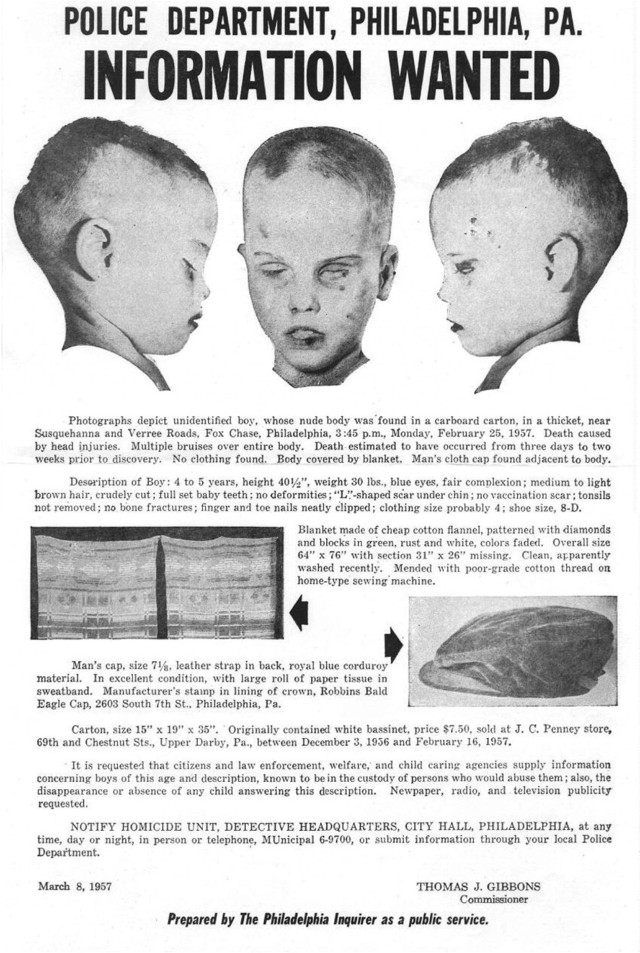
The box that contained the body was labeled “Furniture, Fragile, Do not open with a knife.” The box had once held a bassinet purchased from a JC Penney store.
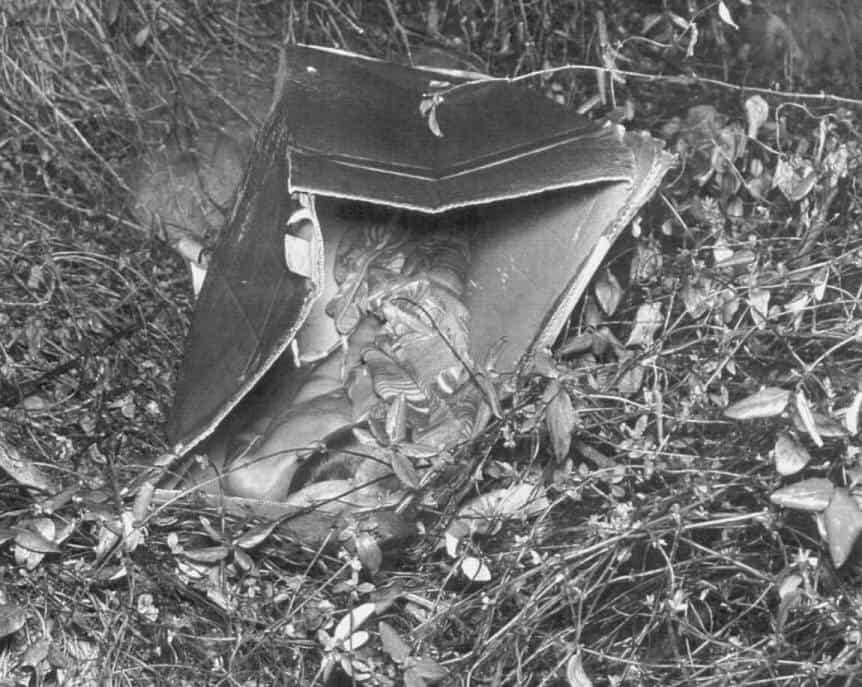
The boy’s body, naked and bruised, was partially covered with a blanket. The pattern on the worn blanket was of a Native American style and made of inexpensive material. Pieces of the blanket had been cut off and were missing.
The boy’s fingernails had been recently trimmed and his hair cut. The haircut was done in a quick and sloppy manner, with clumps of it still on his body. His fingers and toes were wrinkled as if he had spent some time in water.

The Search for Evidence
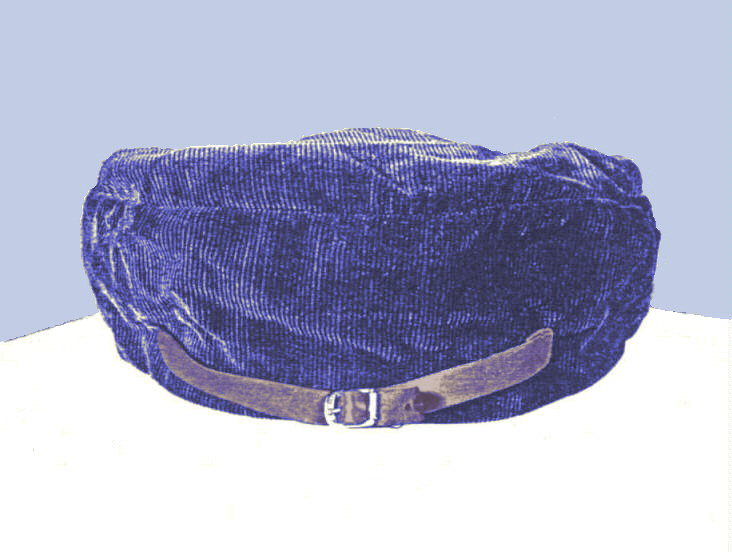
The police did a thorough search of the area for any items that may be related to the boy. A men’s navy blue corduroy cap was found near the body and collected as possible evidence. Also collected was a tan scarf and a size four yellow shirt that would have fit the boy. None of these items have been proven to belong to the boy or to whoever murdered him.
The Cap
The blue cap was custom made with a tag indicating that it had been produced at Robbins Bald Eagle Hat & Cap Co. in Philadelphia. The owner of the company, Hannah Robbins, was interviewed and told investigators that only 12 of these blue corduroy caps had been made.
The hat found near the boy’s body was memorable to her because it was the only one made with a leather strap attached to it. She could even remember details of the person who had ordered it. She said it had been a blonde-haired man in his late twenties who was wearing work clothes. When shown a photo of the boy, she said there was a strong resemblance between him and the man who ordered the cap. Unfortunately, there was no record of the buyer’s name or any way to find out who he was.
The Box
The bassinet box had been purchased at a JC Penney store in Upper Darby Pennsylvania. Upon further investigation, it was discovered that this particular store had only started selling this bassinet two months before. The store had sold twelve of them, but at the time, they only took cash payments. Once again, no record of who purchased them. Surprisingly, eleven of the purchasers came forward with proof they still had the boxes their bassinets had come in. That left only one purchaser unaccounted for.

Media Coverage
The case was covered extensively by the media. The Philadelphia Inquirer printed 400,000 flyers featuring a depiction of the boy. These flyers were sent out across the city and included with everyone’s electricity bill.
Police released post-mortem photos of the boy dressed and in a seated position to show how he appeared in life. Regardless of all the attention his case received, no new information came in that would lead to the boy’s identity.

The Autopsy
Appearance
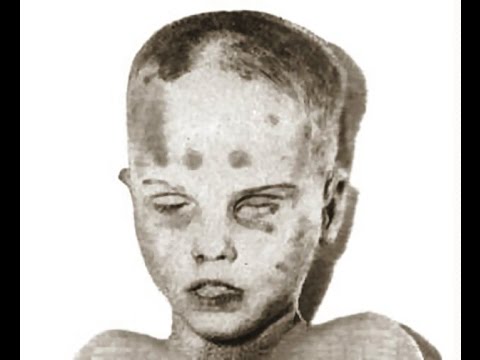
The boy’s height was measured at 3’4″ tall and he weighed only 30 pounds. The boy had light brown hair and blue eyes. As mentioned before, his hair had been quickly and unevenly shaven. The clumps of hair that clung to his body were analyzed and proven to be his own. Investigators and the medical examiner both believe that his hair had been cut after his death in an effort to conceal his identity.
Scars
There were multiple scars on the boy’s body, three of which appeared to be surgical in nature. The surgical scars were on an ankle, his chest, and near his groin. He also had an “L” shaped scar under his chin, a scar on his left elbow, and another on his chest that were not from surgical procedures.
Eyes
The medical examiner found that the boy had recently seen an eye doctor. When a UV light was shown into his eyes, the left eyed glowed blue, indicating the presence of a prescription dye used by ophthalmologists. Eye doctors use this dye to help them see injuries to the cornea, though it can also be used to treat other eye conditions.
Stomach
Examination of the boy’s stomach found that he may not have eaten in his last two or three hours of life. However, there was a brown substance found in his esophagus, indicating that he had thrown up shortly before his death, so this may have been the reason his stomach was empty.
Bones
Despite the obvious signs of abuse, x-rays showed no evidence of the boy ever having any broken bones. The x-rays did show that the boy suffered from “arrested growth,” due to malnourishment.
Cause of Death
It was determined that the boy died from blunt force trauma to the head. Four round-shaped bruises were on the boy’s forehead, indicating that he had been hit multiple times with an object.
Theories
The Foster Home
Remington Bristow worked at the medical examiner’s office and took a great interest in the case until his death in 1993. In 1960, he contacted a psychic from New Jersey to get her insight into the case. She claimed to be able to receive information from holding metal objects owned by deceased people. Bristow paid her a visit and brought along two metal staples that were from the cardboard box the boy was found in.
The psychic had a vision of a large house with a wooden railing. There was a log cabin in the backyard and children playing in the yard. She told Bristow this was where he would find the boy’s true identity.
Bristow searched for a property that fit this description and found it a mile and half from where the boy’s body had been discovered. It was a foster home owned by Arthur and Katherine Nicoletti. Bristow was convinced this was the house the psychic had envisioned, but he wanted to be absolutely sure.
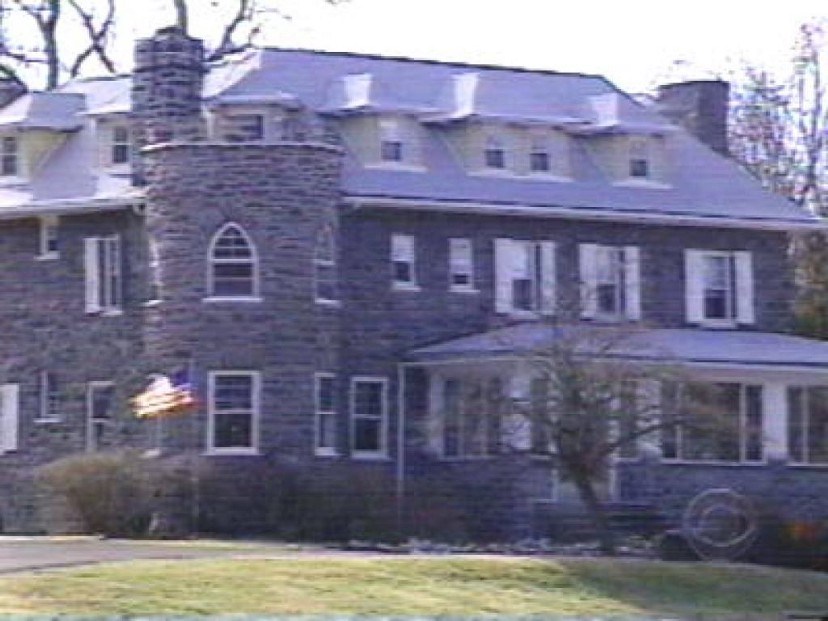
He invited the psychic to the location where the body was found. From there, she walked him straight to the foster home. This was all the evidence he needed to cement his beliefs.
The next year, the foster home was put on the market and there was an estate sale. Bristow took the opportunity to look around the property. Inside, he saw a bassinet that was similar to the one that came in the box the boy was in. He also saw blankets hanging outside on a clothesline that were similar to the one found with the boy. There was a pond on the property that Bristow thought may have been where the boy was submerged in water. Remember, he was found with wrinkled fingers and toes.
Bristow developed the theory that the boy in the box had belonged to the stepdaughter of the man who ran the foster home. He believed that the boy’s death had been an accident. The death had been covered up to hide that she had been an unwed mother.
The police took his theory seriously and investigated his claims. In the end, they found no conclusive evidence to tie the foster family to the unknown boy.
Years later, the widowed Arthur Nicoletti married this stepdaughter, Anna Marie. This only further strengthened Bristow’s beliefs of what had happened. The couple were interviewed in 1984, but no new information came of it.
Martha’s Story
In 2002, a woman only known as “Martha,” came forward with a wild story to explain who the boy in the box was. The police traveled to interview Martha, who agreed to talk as long as her psychiatrist could be with her. The boy in the box was strongly tied to severe childhood trauma she had suffered. She had only recently become able to talk about what had happened.
Martha claimed that her abusive mother purchased the boy, named Jonathan, from his birth parents in 1954. She said that Jonathan was mentally disabled and could not communicate or care for himself. For the next two and a half years he was kept in their basement and suffered terrible abuse at the hands of Martha’s mother.
Then one evening at dinner, the boy became ill and threw up his dinner of baked beans. This enraged Martha’s mother who slammed the boy’s head multiple times against the hard floor until he was barely conscious. He was then given a bath, during which he died.
Martha’s mother cut the boy’s long hair to conceal his identity and forced Martha to help dispose of his body. Martha claimed that as they were about to remove the boy’s body from their car’s trunk to dump it, a man drove up and stopped to see if they needed help. Martha was ordered to stand in front of the car to block the license plate from being seen as her mother convinced the man that everything was fine. The man drove off and Martha and her mother put the boy’s body in a cardboard box they found on the dumping site.
There are a couple of things that support Martha’s story. The brown substance found in the boy’s esophagus resembled baked beans. The boy’s wrinkled fingers and toes fit with the story of him being given a bath. Also, the claim that her mom cut the boy’s hair matched with the hasty and uneven haircut the boy had. These facts of the case hadn’t been made public at the time. Martha was the only person to have come forward with information that only investigators knew.
Police thought Martha’s story could have happened, but they were reluctant to believe her because she was mentally ill. Investigators were unable to prove her story. They searched her childhood home, including the basement, but found no evidence the boy was ever there. Though, after so many years, is that a surprise?
Her neighbors during that time who had been in her house many times, said her claims were “ridiculous” and that no boy lived there. But what if Martha’s mother had been passing the boy off as a girl with his long hair?
A few months after Martha’s interview with police, her real name was leaked to the press. She wanted no part of this kind of notoriety so she stopped helping with the investigation and moved out of the country to keep her privacy. The fact that she took such great lengths to maintain her privacy shows that she wasn’t making up a farfetched story for attention. Did the police make a big mistake not taking Martha’s claims as seriously as they could have?
The Concerned Motorist
There is a separate witness statement that corroborates Martha’s story. In 1957 a man came forward saying that he was driving down Susquehanna Road on February 24th. He saw a middle-aged, heavyset woman and a boy standing beside the trunk of a car. He said the boy was about the same height as the woman and appeared to be between 12 and 14 years old.
The woman was “groping” for something in the trunk while the boy stood next to her. The concerned man thought that maybe they had a flat tire so he pulled over to offer help. The woman and boy ignored him, turning their backs to him as if trying to block the car’s license plate from his view. The man thought their behavior was odd, but went on his way. He didn’t give the incident much thought until days later when it was reported that a boy’s body had been found in the area.
The man showed the police exactly where the car had been. Turns out it was only 200 feet from where the boy in the box had been found.
There’s one obvious part of the man’s story that doesn’t make sense. He believes he saw a boy standing with the woman. What if he was wrong? Maybe that could have been Martha but she had short hair at the time. Or maybe she could have been disguised with her hair tied back? Either way, the police could not prove the man’s story.
Burial
With no one to claim the boy, he was laid to rest in July of 1957 in a potter’s field. The headstone and burial plot were paid for by the detectives working the case. Sadly, they were also the only people to attend the burial.
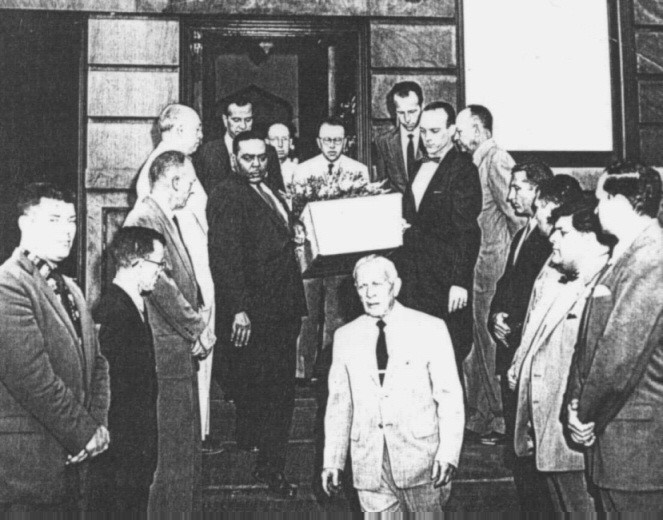
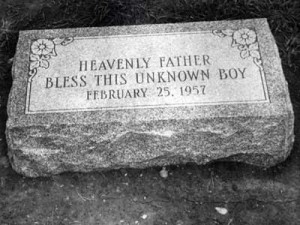
In 1998 an episode of “America’s Most Wanted,” aired on TV in which the case was brought back to the public’s attention. Thanks to the renewed interest in the case, the Philadelphia police department was able to get enough public support to exhume the boy’s body. During this time, DNA was a brand new and promising technology. They wanted to take a DNA sample from the boy in hopes that it would one day solve the mystery as to who he was.
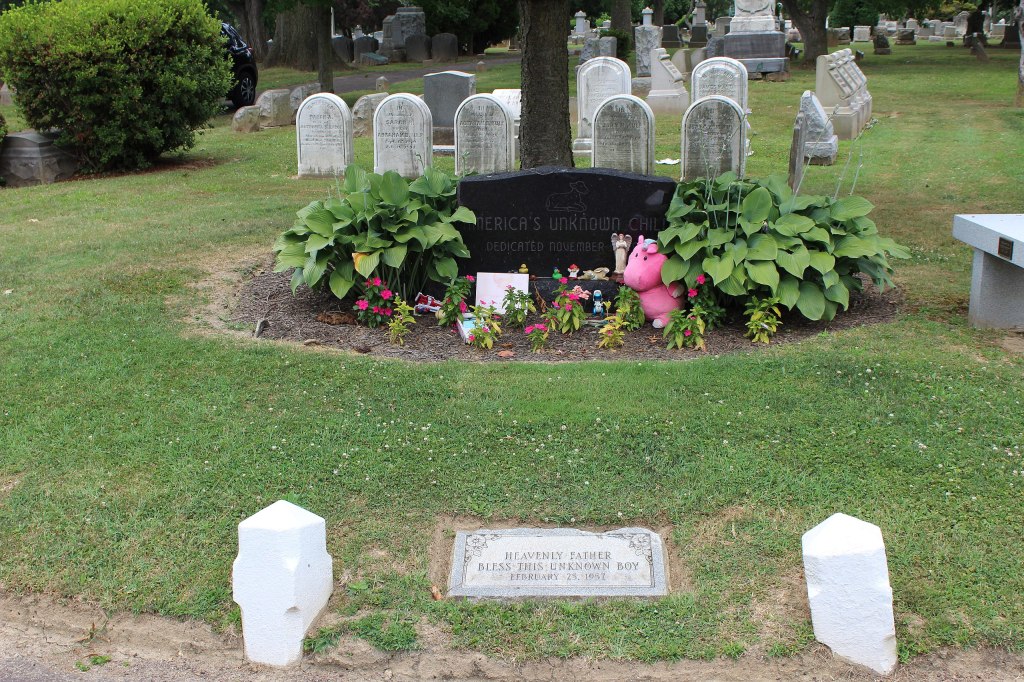
They also took this opportunity to move the unknown boy to a better resting place with a new headstone. Ivy Hill Cemetery in Cedarbrook, Pennsylvania donated a beautiful plot for the boy. The son of the man who originally buried the boy in 1957 covered the funeral expenses including a new coffin and headstone. The new headstone reads “America’s Unknown Child.” This funeral was attended by many. Today, over 65 years later, people still frequently visit his gravesite to leave toys and flowers for him.
Recent Developments
In 2019, the unknown boy’s body was once again exhumed for a DNA sample. This time the new sample would be used for genetic genealogy. This is the same technology that was used to finally catch the Golden State Killer in 2018. Detectives hope that a distant relative of the boy may be found using his DNA and that a family tree can be created that leads them back through time to the identity of the boy.
Could this be our last and best hope of finding out who “America’s Unknown Child,” is?
UPDATE: On December 8, 2022, after being unidentified for over 65 years, Philadelphia police announced they have discovered the identity of “the boy in the box.” He was Joseph Augustus Zarelli, born January 13, 1953 and is believed to have been from West Philadelphia.
The identity of Joseph’s mother and father are known, but that information hasn’t been released out of respect for Joseph’s living siblings. His parents are no longer living.
The police do not know for sure who was responsible for Joseph’s death, but they have strong suspicions. They are not willing to discuss what they believe because the investigation into this case is still open.
If you enjoyed this read, check out these related posts:
What Was the Fate of the Five Sodder Children?
Sources:
Decades After He Was Found There Is Still Hope For America’s Unknown Child

 Historic Horrors