In the heart of 1920s Los Angeles—an era of silent films, speakeasies, and seismic social change—a shocking crime unfolded behind the closed doors of a quiet suburban home. What seemed like a typical domestic dispute between a husband and wife turned out to be the final act in a chilling secret that had been hiding just above their heads.
For years, unbeknownst to her husband, Dolly Oesterreich had harbored a secret lover in their attic. When tensions in the household reached a breaking point, the hidden man descended from the rafters—gun in hand—and forever altered the lives below. This is the true story of love, deception, and murder in the shadows of Los Angeles’ golden age.
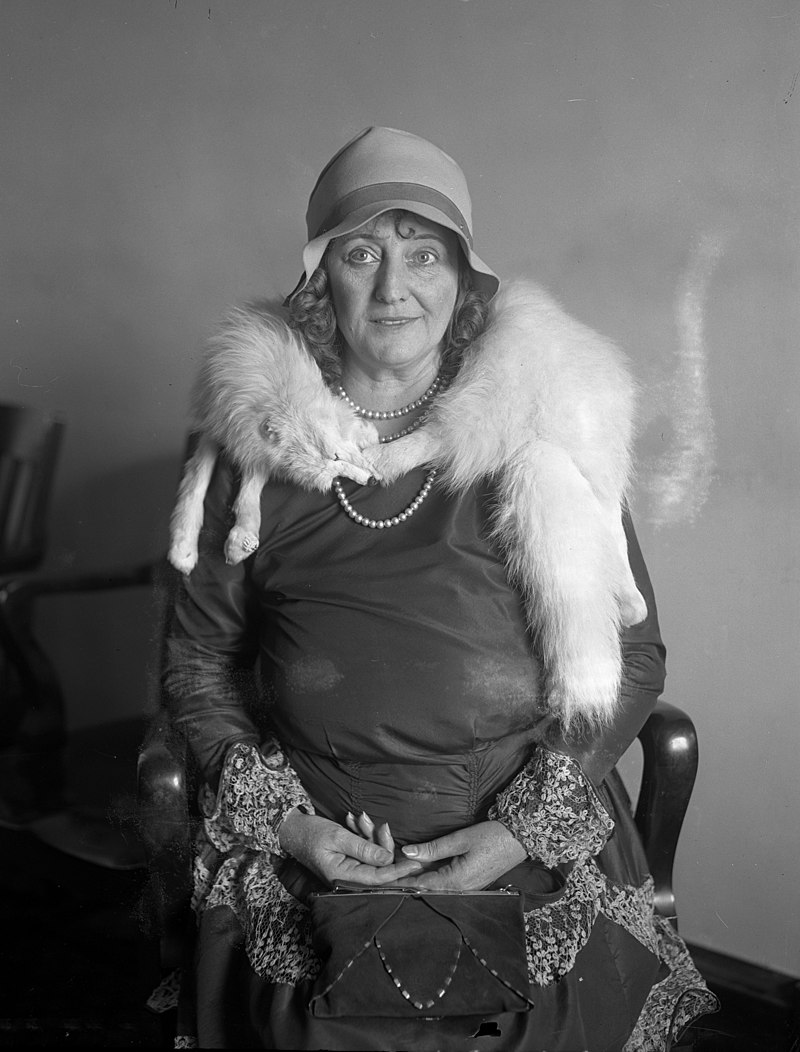
“Dolly” Oesterreich was born Walburga Korschel to German immigrant parents in 1880 and grew up poor working on her family’s farm in Milwaukee, Wisconsin. When Dolly was 12 she began working at a factory making aprons to earn money to help her family. There, she met a fellow German immigrant, Fred Oesterreich who was wealthy, successful and only three years older than her. Fred went on to become the owner of the factory by the young age of 17.
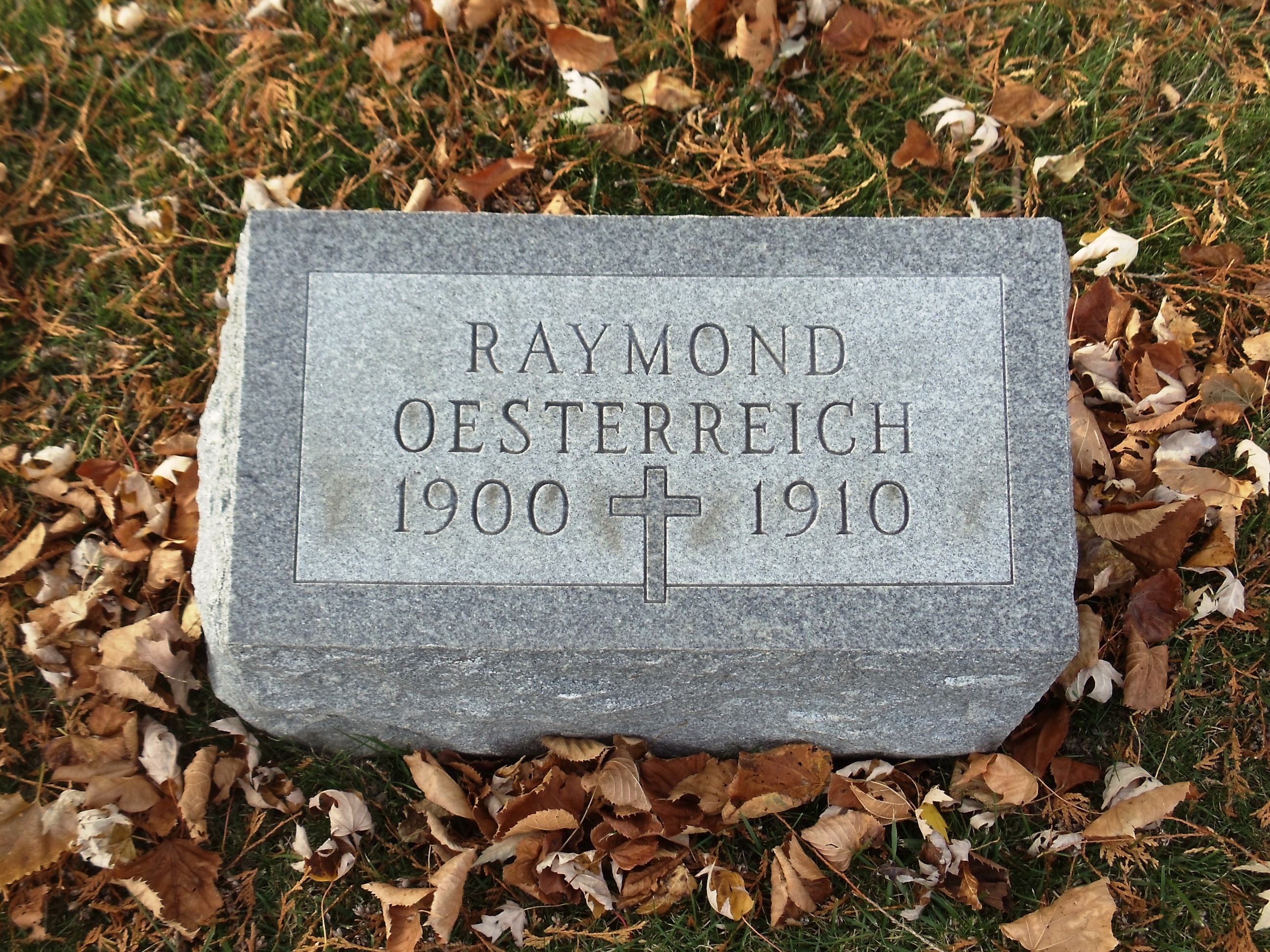
Fred and Dolly got along well and began dating. The couple got married when Dolly was 17 and Fred 20. In 1900 Fred and Dolly welcomed a son, Raymond Harold Oesterreich. Sadly the boy died in 1910, just before his tenth birthday. The death of their son took a toll on their marriage. Fred turned to alcohol and Dolly turned to other men.
On top of mourning her son, Dolly was unhappy as a housewife to a successful business owner. Fred was always busy and working long hours at the factory. When he wasn’t working, he was drinking too much and never paid her the attention that she craved. Rumors swirled that she began inviting different men over while Fred was at work. These encounters were mere flings to Dolly, but that changed when she met Otto Sanhuber.
In the autumn of 1913, Dolly asked Fred to send one of the repairmen from his factory over to work on her broken sewing machine. When 17-year-old Otto Sanhuber arrived, Dolly, who was now 33, answered the door wearing only a silk robe and stockings. Dolly seduced the young man, and so began an affair that lasted for many years.

At first, Dolly would meet Otto in hotel rooms, but they became expensive and she grew afraid of Fred noticing the missing money. Then they continued the affair at Dolly and Fred’s home, in the comfort of their marital bed. Soon, Dolly grew concerned with this arrangement as well. Nosy neighbors started to notice how often Otto was visiting, and Dolly was tired of making up stories as to why her “vagabond half-brother” was there so often.
What were the smitten couple to do if they couldn’t continue the affair at hotels or have Otto coming over? Well, Dolly had a brilliant idea. She asked Otto to move into her attic. He would have to quit his job, but he would have no bills to pay and Dolly would keep him fed. Fred never went into the attic, so this was the perfect plan to be able to continue their relationship in private.
Otto agreed to the arrangement. He had strong feelings for Dolly and he had no family who would miss him. And so Otto moved into the attic, which was entered through a ceiling panel in the Oesterreich’s bedroom closet. The only furnishings in the attic were a cot to sleep on and a desk. Dolly would also provide him writing materials and bring him books from the library to read.
Otto came out of the attic during the day when Fred was at work. He would help with household chores and perform his duties as Dolly’s lover, then be hidden away again in the attic before Fred returned home. During his free time in the attic, he would write stories for pulp fiction magazines. He eventually went on the publish some of his writing under a pen name, with the help of Dolly who would take his work to the post office to be mailed off.

Fred began to hear odd noises in the house. What sounded like footsteps above his head as he lay in bed trying to get to sleep at night. He noticed that the food in the house didn’t last as long as it should. When he brought these things to Dolly’s attention, she would tell him she had no idea what he was talking about and that he wasn’t making any sense. She suggested that he go see a doctor. Fred took her advice and visited with a doctor, who told him he could find nothing wrong. Yet, the sounds in the house continued. Fred thought he may be losing his mind.
In 1918 Fred decided he must get out of that house. He told Dolly they would be moving to Los Angeles. Dolly agreed to the move…with one condition. The new house must have an attic. You didn’t think that moving halfway across the country would break Dolly and Otto up, did you? No, of course not! Otto would come along too, as a matter of fact, Otto moved into the new house before the Oesterreich’s did. Dolly wanted to make sure he had time to get settled into the new attic before Fred arrived.

Dolly and Otto’s secret affair continued for four more years, until a heated argument one night changed everything.
On the night of August 22, 1922, Fred had been drinking and he and Dolly were having an intense disagreement. In the attic, Otto could easily hear what was going on. The argument continued to ramp up until Otto grew concerned for Dolly’s safety. Thinking that Fred may physically harm her, Otto hurried out of the attic. He found one of Fred’s guns, a .25 caliber pistol that he took with him as he rushed to find Dolly.
When Dolly’s husband saw Otto, things began to click into place. The noises coming from above that had followed them to their new home. The food that was brought into the house and disappeared quicker than two people could eat. Fred was furious and lunged toward Otto. During a struggle a couple of shots rang out and hit the ceiling. Three more shots went off, these finding Fred’s chest. Fred Oesterreich was killed instantly.
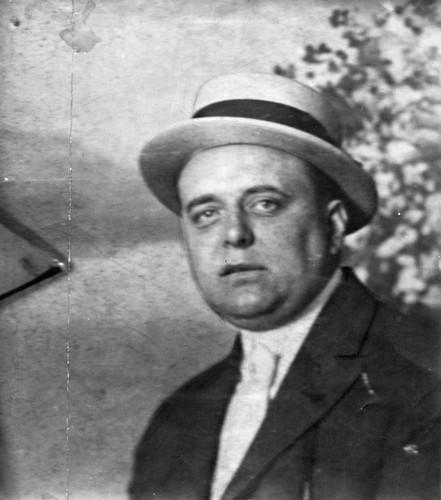
Panicking because they knew neighbors had heard the gunshots, Dolly and Otto quickly decided to stage the killing as a robbery. Otto took Frank’s expensive watch and Dolly went into a closet and Otto locked the door to it from the outside. Then Otto went back into the attic to hide.
The police arrived to find Fred’s lifeless body sprawled out on the floor and Dolly locked in the closet. They had no idea Otto was there in the attic. When Dolly told them her story about being robbed and locked in the closet, police had no reason to not believe her. She couldn’t have locked herself in the closet and there was no one else there.
Dolly inherited a large amount of money when Fred died. She used that money to move into another house…with an attic. You would think that with Fred gone, Dolly and Otto would no longer have a reason to hide their relationship, but for some reason Otto continued living in the attic of this new home as well. Some reports state that by this time their relationship had become one of dominance/submission. This is later supported when Otto refers to himself as Dolly’s sex slave. But this isn’t the only reason Dolly wanted to keep Otto in the attic. It seems that Dolly had grown a bit bored with Otto and started seeing other men to spice things up.
One of those men was her personal lawyer, Herman Shapiro, who she hired when being questioned about Fred’s murder. The first mistake she made was gifting Herman the watch that was supposedly stolen during the “robbery.” He recognized the watch as being Fred’s. Dolly explained that she had found it in the yard and that the thieves must have dropped it while fleeing the scene. She told Herman that she saw no need to tell the police about it. This should have been a red flag for Shapiro, especially with him being a lawyer, but their romantic relationship continued.
Being bored with Otto and Herman working long hours, Dolly needed yet another man in her life to keep her entertained. Her third lover was Roy Klumb, an actor/producer. Eventually Dolly asked Roy to get rid of one of Fred’s .25 caliber guns. She told him it resembled the murder weapon too closely and she didn’t want to wrongly get into trouble for having it. She wanted him to throw it in the La Brea Tar Pits, which today is an an active paleontological research site. Roy did as asked, but Dolly had another of Fred’s guns to get rid of and it would be to suspicious to ask Roy to dispose of that one too.

This time she asked a neighbor, J.E. Farber, to dispose of the other gun. Dolly told him the same story as Roy to explain why she needed it gone. The neighbor agreed and buried the gun in his yard under some rosebushes.
A few years go by and Roy Klumb finds out that Dolly was sleeping with Herman Shapiro. He becomes angry and decides to goes to the police and tell them about Dolly asking him to dispose of a gun. The police are able to find the gun and they arrive at Dolly’s house to arrest her. Farber sees the commotion going on next door and doesn’t want to get in trouble himself. He goes over to the police and tells them he buried a gun in his yard for Dolly and police dig it up.
While Dolly’s in jail awaiting trial, she becomes concerned for Otto who is still in the attic of her house. There was no one there to feed him and he had no idea what was going on. When Herman visited her in jail, she asked him to go check on her “half-brother” who was staying in her attic and bring him food.
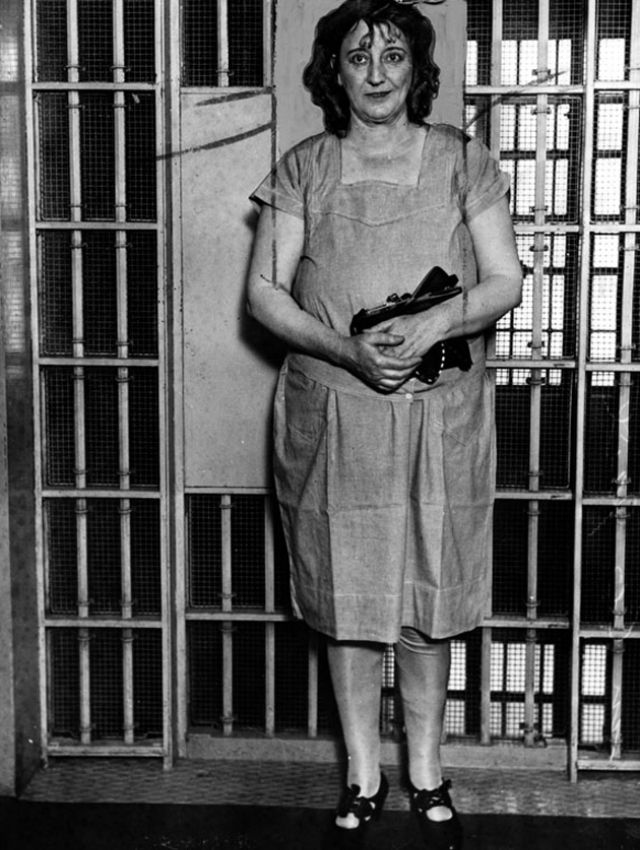
When Herman got there and knocked on the ceiling of the bedroom closet, Otto came down and was apparently so happy to have another person to talk to that he told Herman everything. Herman could hardly believe it, but thought back to when Dolly had given him Fred’s watch. Things were starting to make sense. Herman ended his relationship with Dolly and went to the police with what he knew.
With Otto’s confession, police charged Dolly with conspiracy to commit murder and Otto was charged with murder. When Otto was questioned by the police he confessed to them as well. He told them he had an “overpowering love” for Dolly and believed she was going to be killed that night by Fred. He only wanted to protect her. He even showed officers where he hid in the attic.
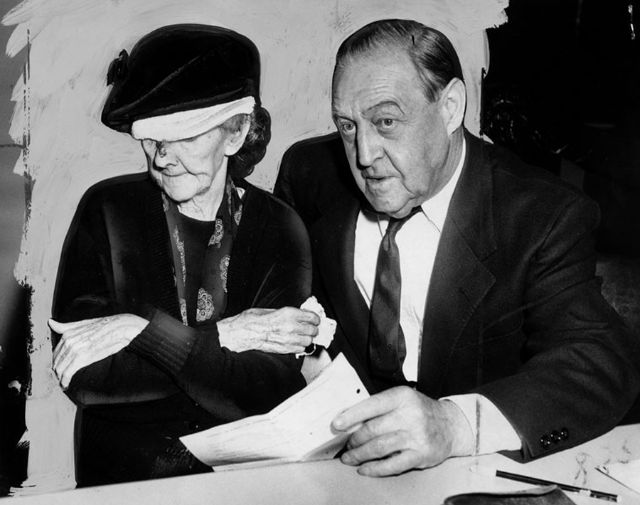
The case went to trial eight years after Fred’s death. Dolly admitted during the trial that Otto had shot Frank. However, she said she had no part in the murder or in covering it up to look like a robbery and she only lied to police to protect Otto.
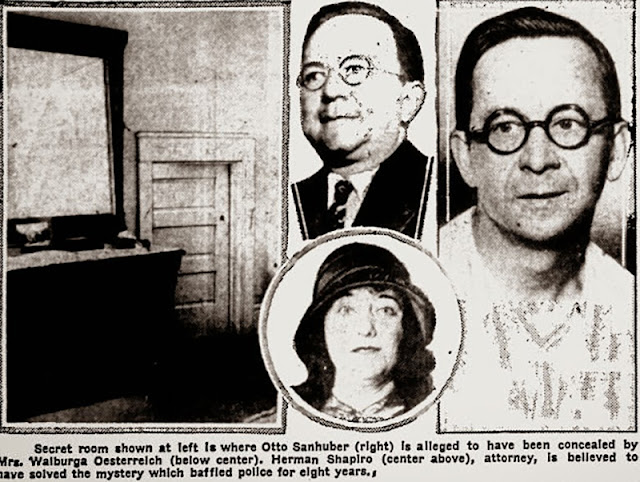
The public took great interest in the case and it became known as the “love slave murder,” or the “bat man” case.
Otto was found guilty of manslaughter, but since the statute of limitations had expired, he was released.
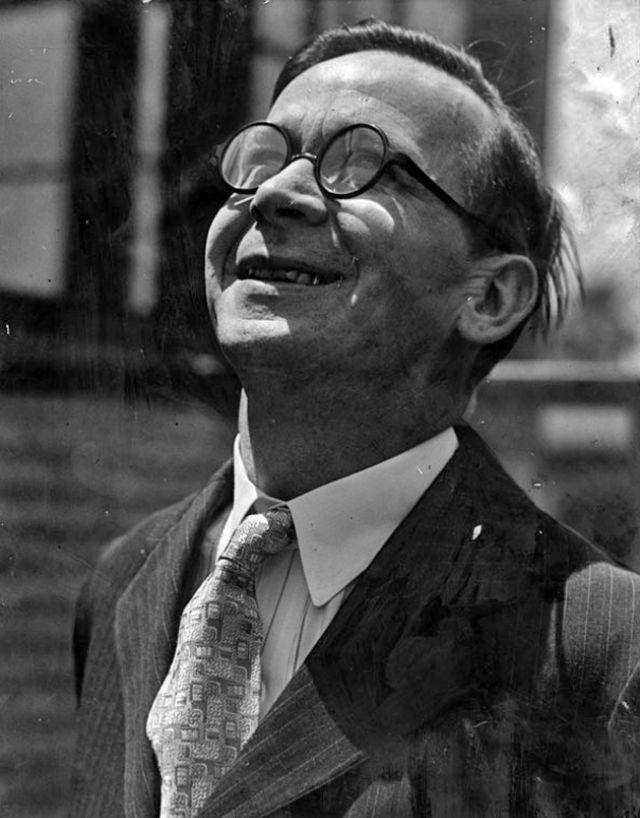
Dolly’s case ended with a hung jury, and she was also released. You may be wondering if Dolly and Otto got back together after their trials. No, they actually didn’t. It seems that Dolly throwing him under the bus during the trial and taking no responsibility for anything that happened that night was finally a good enough reason to be done with her.
It’s reported that Otto changed his name to Walter Klein and fled to Canada after his trial. He met a woman named Matilda who he would eventually marry. Many years later he returned to Los Angeles where he lived a quiet life in obscurity.
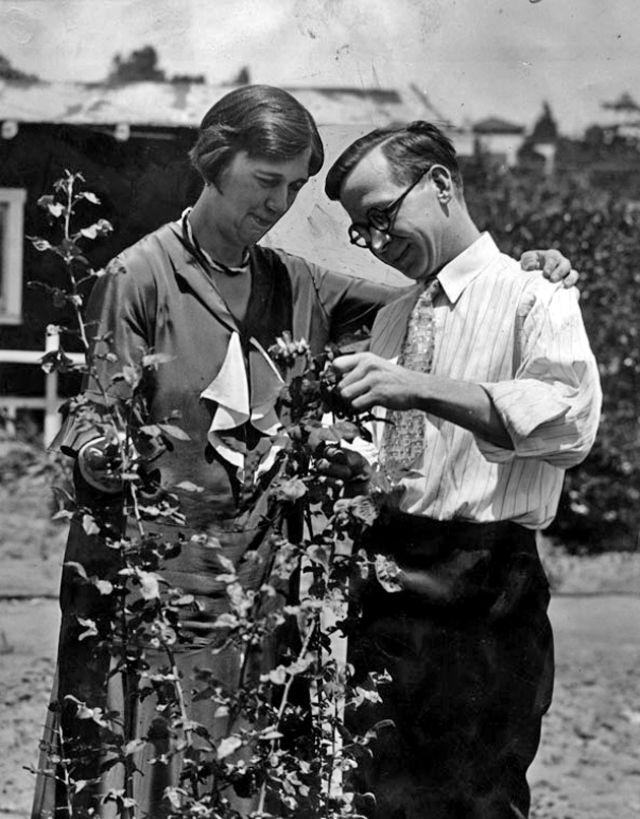
After her trial, Dolly found a new lover, Ray B. Hedrick. They stayed together for 30 years and married in 1961, just a couple weeks before Dolly’s death at the age of 81.
As of 2022 the Oesterreich house was still standing and you can see it here on Goggle maps. For more photos of how the exterior of the house looks today check out this article on imnotastalker.com
This case was so popular it inspired a few films:
- 1968’s The Bliss of Mrs. Blossom
- 1995’s The Man in the Attic
- 2018’s Lover in the Attic
Sources:
https://www.atlasobscura.com/articles/the-married-woman-who-kept-her-lover-in-the-attic
https://www.milwaukeemag.com/the-legend-of-milwaukees-most-infamous-love-triangle/
https://www.vintag.es/2016/06/the-strange-and-true-case-of-dolly.html

 Historic Horrors